What Industrial Systems Teach Us When We Slow Down: Reflections Around a Rexroth Dealer in Bhubaneswar
Most industrial failures are not sudden. They are quiet. They arrive slowly, shaped by habits, assumptions, and overlooked details. Machines rarely stop without warning; they speak long before they fail. The challenge is whether anyone is listening.
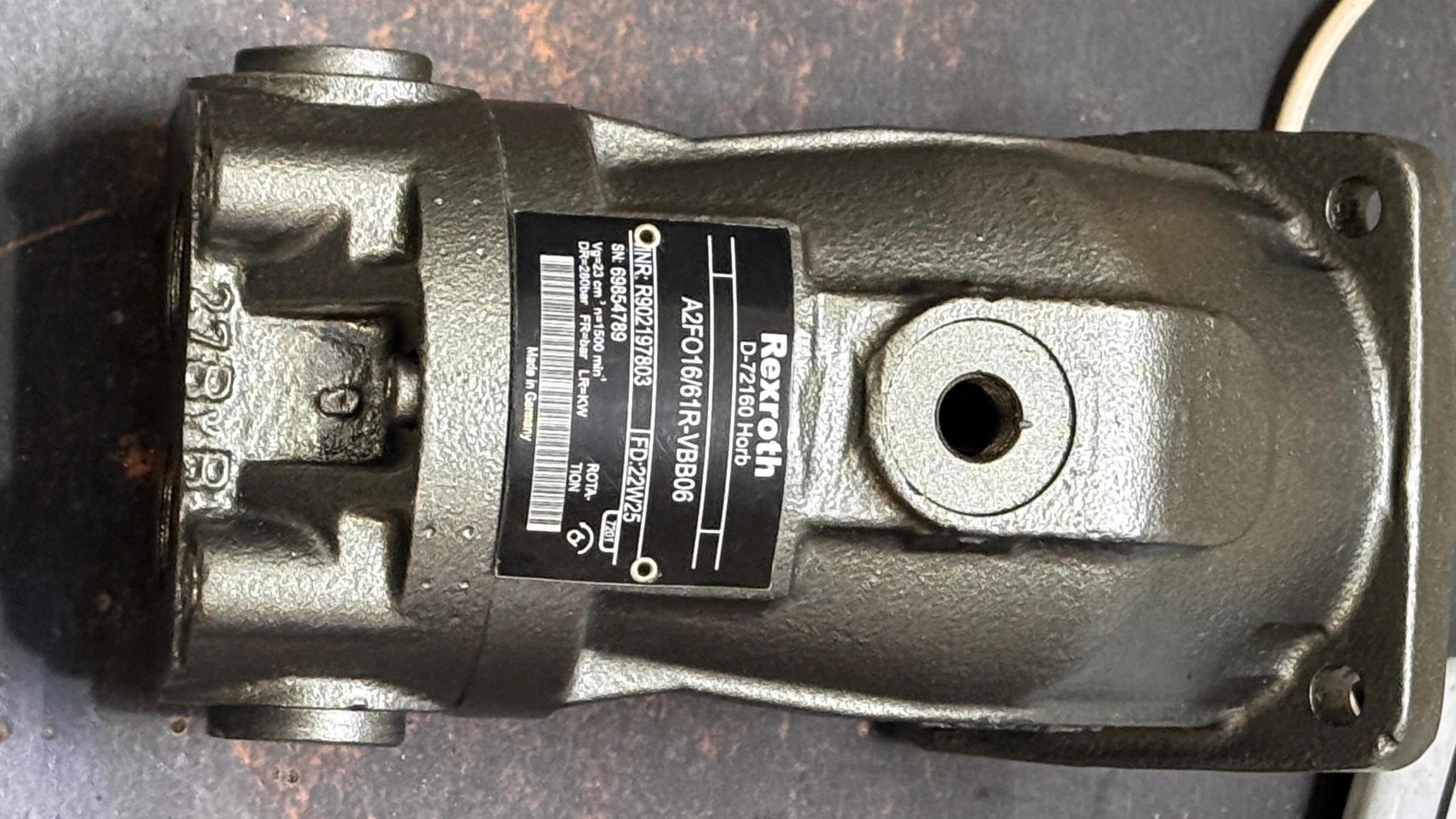
Hydraulic and motion systems are especially communicative. Pressure changes, response delays, thermal shifts—each is a form of language. In regions where industrial activity continues to evolve, such as Bhubaneswar, the idea of a rexroth dealer in bhubaneswar becomes less about location and more about how technical understanding finds a place to live.
Industry Is Built on Attention, Not Just Infrastructure
Factories are filled with powerful machines, yet reliability depends less on strength and more on sensitivity. Systems that are closely observed tend to behave predictably. Systems that are ignored slowly drift out of balance.
Understanding machinery means noticing patterns:
How a system sounds under load
How it responds during startup
How movement feels after long cycles
These details often matter more than specifications.
Fluid Power Is Quietly Adaptive
Hydraulics do not demand attention. They adjust silently, redistributing energy as conditions change. This adaptability is what makes them valuable—and also what makes neglect dangerous.
When fluid systems are respected, they offer:
Gentle force transitions
Reduced mechanical shock
Tolerance for variation
Longevity through balance
When they are pushed without awareness, stress accumulates invisibly.
Motion Control and the Discipline of Restraint
There is an industrial obsession with speed. Faster cycles. Quicker movement. Higher output. Yet motion control teaches a different lesson: stability comes from restraint.
Controlled movement protects alignment.
Measured acceleration reduces fatigue.
Predictable positioning builds trust.
In many ways, motion control reflects good decision-making—acting only when necessary.
Why Local Understanding Still Matters
Global engineering knowledge is abundant, but industry does not operate in global conditions—it operates locally. Climate, workload patterns, and operating culture shape how systems behave.
The relevance of a rexroth dealer in bhubaneswar lies in this local translation of technical understanding. It represents how abstract design principles meet real-world environments.
The Cost of Ignoring Small Signals
A slight temperature rise becomes “normal.”
A delay in response becomes “expected.”
A vibration becomes “part of the process.”
These adjustments feel harmless until they accumulate. Most breakdowns are not mechanical failures; they are failures of attention.
Observation as a Form of Maintenance
There is a quiet skill in watching systems without rushing to intervene.
Noticing pressure trends.
Sensing changes in rhythm.
Comparing today’s behavior with yesterday’s.
Organizations that value observation often avoid urgency—not because problems don’t arise, but because they are recognized early.
System Drift Is a Human Problem
Machines rarely forget their limits. People do.
When output pressure overrides patience, systems drift. When efficiency replaces understanding, instability grows. Drift is not a technical flaw; it is a behavioral one.
A Different Measure of Reliability
True reliability is calm operation over time.
Few surprises.
Few emergencies.
Few rushed decisions.
This kind of reliability is built through awareness, not acceleration.
Closing Thought
The idea of a rexroth dealer in bhubaneswar fits into a larger narrative about how industry learns. When organizations value interpretation over assumption and observation over reaction, machines respond with steadiness.
Industrial wisdom is not loud.
It is quiet, patient, and attentive.