Why Industrial Systems Remember More Than We Expect
Every industrial machine carries a form of memory. Not a digital one, but a structural memory—etched into its components, layouts, and tolerances. Hydraulic systems, more than most, reveal this truth. They respond not only to commands, but to the history of decisions made long before the system was switched on.
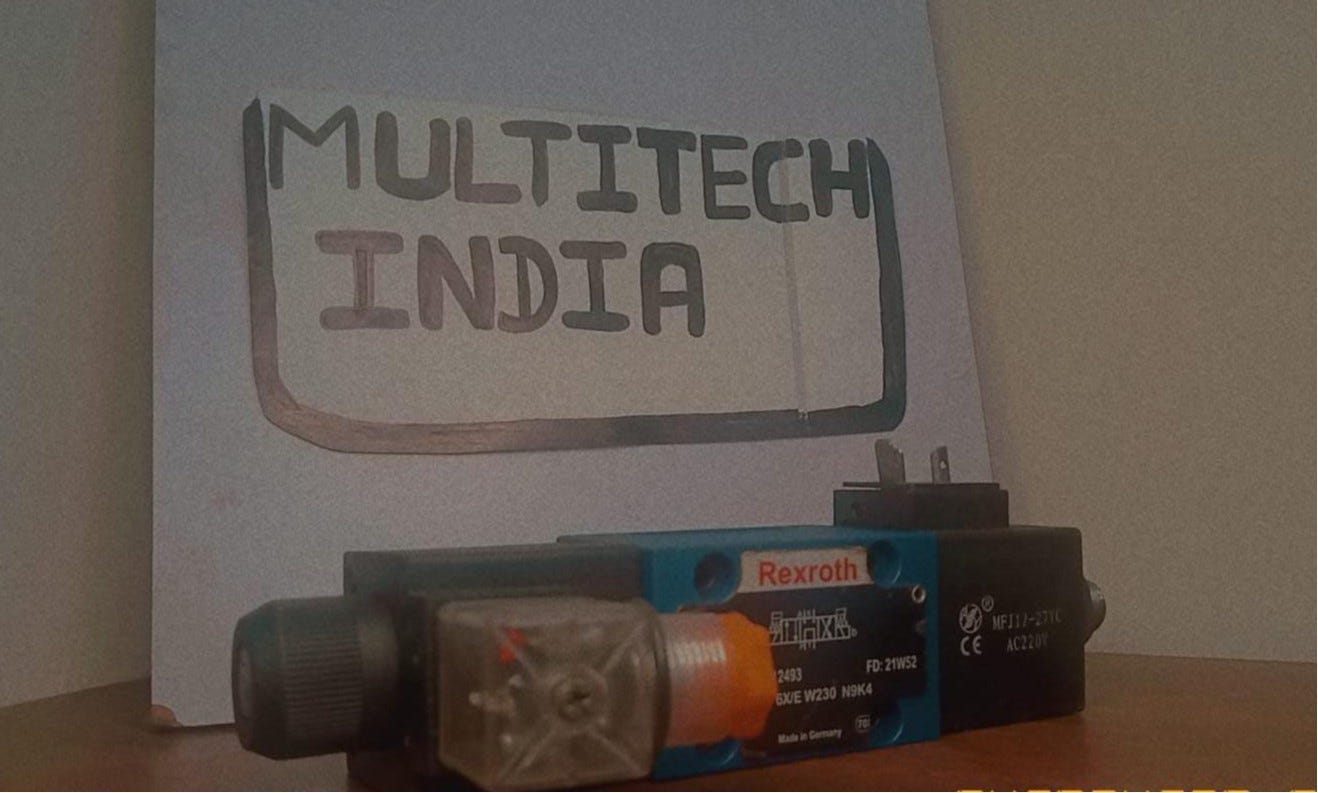
Within this context, references such as Rexroth hydraulic pump dealers appear in technical discussions for reasons that have little to do with commerce. They surface because engineers are trying to reconstruct intention.
The Hidden Permanence of Early Choices
When a hydraulic pump is selected, the decision extends far beyond immediate function. It sets boundaries on flow behavior, heat tolerance, responsiveness, and future adaptability. Everything downstream learns to live within those boundaries.
Over time, these constraints become invisible. The system “just works.” Until it doesn’t.
At that moment, engineers are not fixing a part—they are revisiting an idea.
Why Origins Matter Long After Installation
In long-lived installations, few people remember why certain components were chosen. Documentation ages. Teams rotate. Assumptions fade. What remains are clues embedded in the system itself.
This is where origin references enter the conversation. A mention of a Rexroth hydraulic pump dealer is often an attempt to answer quiet but critical questions:
What design logic governed this system?
Which limits were intentional, and which were accidental?
What must remain unchanged for stability to survive?
These are historical questions disguised as technical ones.
Fluid Power as a Study in Discipline
Hydraulic systems reward discipline. They respond poorly to improvisation and shortcuts, yet generously to foresight and restraint. Pumps, sitting at the system’s core, enforce this discipline without negotiation.
They teach a subtle lesson:
You can only control what you first understand.
When flow becomes erratic or heat builds unexpectedly, the system is not misbehaving—it is revealing a mismatch between expectation and reality.
Failure Is Often a Form of Communication
In fluid systems, breakdowns rarely arrive without warning. Noise changes. Temperatures creep. Response times drift. These signals are easy to ignore—until they are impossible to.
Interpreted correctly, such failures are not endings. They are explanations.
They explain:
Where margins were misunderstood
Which assumptions no longer hold
How systems evolve under real conditions
Listening to this language requires patience, not urgency.
A Broader Reflection
The quiet presence of terms like Rexroth hydraulic pump dealers in engineering dialogue reflects a deeper industry instinct: the desire to preserve coherence across time. Not to freeze systems in place, but to keep their logic readable.
Hydraulic systems endure when their original reasoning remains accessible—even decades later.
In the end, fluid power reminds us that machines are not just built to move. They are built to remember.